
How an Interventional Cardiologist Treats Blocked Arteries in 2025?
Introduction
‘How an Interventional Cardiologist Treats Blocked Arteries in 2025?‘- A detailed discussion by Dr. Kuntal Bhattacharyya, an eminent Interventional Cardiologist in Kolkata, India
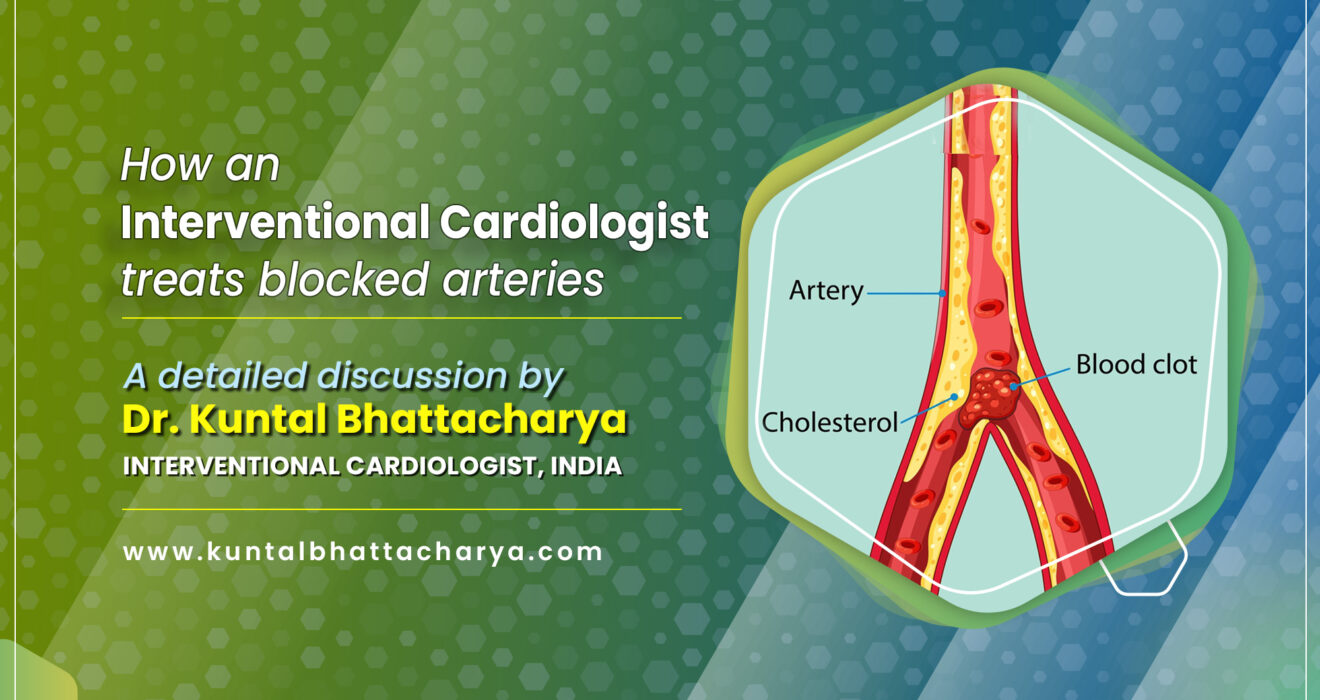
Blocked arteries are one of the biggest threats to heart health. When fat, cholesterol, and plaque build-up inside the arteries, they restrict blood flow to the heart. This can cause chest pain, breathlessness, and even life-threatening heart attacks. Thankfully, modern medical science offers quick and minimally invasive treatments. This is where an Interventional Cardiologist plays a key role.
Unlike a General Cardiologist who focuses mainly on diagnosis, medicines, and monitoring, an Interventional Cardiologist performs special nonsurgical procedures to open clogged arteries. In a growing metro city like Kolkata—where stress, unhealthy diet, and a fast lifestyle are common—the need for an experienced Interventional Cardiologist in Kolkata has increased greatly.
In this blog, you will learn how these specialists diagnose blocked arteries, the procedures they use, and why Intervention Cardiology in Kolkata is trusted for advanced and successful heart treatments.
Understanding Artery Blockages
Causes of Blocked Arteries
Arteries get blocked mainly due to plaque buildup. This plaque forms because of:
- High cholesterol
- Smoking
- Lack of exercise
- Unhealthy eating habits
- High stress
- Genetics
Common Symptoms
Blocked arteries often show signs such as:
- Chest pain or tightness
- Shortness of breath
- Unusual tiredness
- Pain in the neck, jaw, arms, or back
These symptoms mean your heart is not getting enough oxygen-rich blood and needs attention from a Heart Specialist Doctor in Kolkata.
How Blocked Arteries Harm Your Heart
When blood flow decreases:
- The heart becomes weak
- Risk of heart attack increases
- Stroke chances rise
- Heart failure may occur
This makes timely treatment extremely important.
What Is Interventional Cardiology?
Interventional cardiology deals with treating heart problems—especially blocked arteries—using minimally invasive methods. Instead of open-heart surgery, the doctor uses thin tubes called catheters that enter through small openings in the wrist or groin.
The most common procedure is angioplasty, where a balloon is used to open the blocked artery. Often, a stent (a small metal mesh tube) is placed to keep the artery open.
Difference Between a Cardiologist and an Interventional Cardiologist
- A Cardiologist in Kolkata manages heart diseases with medicines, tests, and lifestyle advice.
- An Interventional Cardiologist in Kolkata performs angioplasty, stent placement, and other catheter-based procedures.
Why Interventional Cardiologists Are in Demand in Kolkata
Heart disease cases are rising due to:
- Busy schedules
- Stress
- Unhealthy diets
- Sedentary lifestyles
Kolkata also has some of India’s best hospitals with modern cath labs and advanced imaging systems. People from nearby states travel to Kolkata for faster and safer heart procedures. This is why Intervention Cardiology in Kolkata has become highly recognized.
How Blocked Arteries Are Diagnosed
- Physical Examination:
The doctor checks:
-
- Symptoms
- Blood pressure
- Pulse
- Medical history
- Diagnostic Tests:
Common tests include:
-
- ECG
- Stress Test
- Echocardiography
- CT Coronary Angiogram
- Advanced Imaging in Kolkata:
Modern hospitals in Kolkata use:
-
- IVUS (Intravascular Ultrasound)
- OCT (Optical Coherence Tomography)
- FFR (Fractional Flow Reserve)
- RFR (Resting Full-Cycle Ratio)
These techniques show detailed inside images of arteries, helping the doctor choose the best treatment.
How an Interventional Cardiologist Treats Blocked Arteries
Step 1: Diagnosis
The doctor confirms blockage using:
- ECG
- Echo
- Angiography (the gold standard)
Angiography shows exactly where the blockage is.
Step 2: Angioplasty
This is the most common treatment.
- A thin tube (catheter) with a balloon is inserted into the artery.
- The balloon inflates and pushes the blockage aside.
- The artery opens up and blood flow improves.
Step 3: Stent Placement
After angioplasty:
- A stent (metal mesh tube) is placed
- It keeps the artery open permanently
- Reduces chances of future blockages
Other Treatment Methods
Atherectomy
Removes plaque using a special rotating tool.
Thrombectomy
Removes dangerous blood clots, especially during heart attacks.
Interventional cardiologists also perform advanced valve treatments like:
- TAVI (Transcatheter Aortic Valve Implantation)
- TAVR (Transcatheter Aortic Valve Replacement)
A new valve is inserted through a catheter, making it safer for elderly or high-risk patients.
Benefits of Minimally Invasive Procedures
Compared to open-heart surgery, these methods provide:
- Less pain
- Faster recovery
- Very small cuts
- Lower risk of infection
- Short hospital stay
Life After Angioplasty or Stenting
Recovery Timeline
- Hospital stay: 1–2 days
- Can resume light work: within a week
- Full recovery: 1–2 weeks
Regular follow-up with a Heart Specialist Doctor in Kolkata is important.
Possible Risks
- Bleeding at the catheter site
- Allergy to dye
- Rare chances of stroke or heart attack
Lifestyle Tips to Prevent Future Blockages
- Quit smoking
- Eat healthy, heart-friendly foods
- Walk or exercise daily
- Manage stress
- Sleep well
- Take medicines regularly
How to Choose the Best Interventional Cardiologist in Kolkata
- Check qualifications
- Choose reputed hospitals with cath lab facilities
- Read patient reviews
- Ask about success rates
- Prefer doctors who explain clearly
- Ensure availability during emergencies
Choosing the right doctor improves treatment results and recovery.
Best Hospitals for Interventional Cardiology in Kolkata
Some trusted centers include:
- Rabindranath Tagore International Institute of Cardiac Sciences (RTIICS)
- Fortis Hospital
- Apollo Gleneagles
- Manipal Hospitals
- BM Birla Heart Research Centre
- RxVital Healthcare
These hospitals have top interventional cardiologists and advanced systems.
Success Rates and Patient Experiences
Most hospitals in Kolkata report:
- 95%+ success rate in angioplasty and stenting
- Faster recovery
- High patient satisfaction
Many patients return to normal life within days.
How to Prevent Artery Blockages
Healthy Diet & Exercise
- Avoid fried and oily foods
- Eat whole grains, fruits, vegetables
- Include omega-3 foods like fish
Regular Heart Check-ups
If you are at high risk, visit a Cardiologist in Kolkata every 6–12 months.
Manage Stress
Yoga, meditation, and proper sleep help maintain heart health.
Conclusion
Blocked arteries can be dangerous, but modern treatments make recovery faster and safer. An Interventional Cardiologist in Kolkata uses advanced, non-surgical methods like angioplasty and stenting to restore blood flow and protect your heart.
If you notice early symptoms like chest pain, breathlessness, or fatigue, visit a Heart Specialist Doctor in Kolkata immediately. With advanced Intervention Cardiology in Kolkata, timely diagnosis and expert treatment can save lives.
Take care of your heart by eating healthy, staying active, and going for regular check-ups. Early treatment, the right doctor, and a healthy lifestyle can completely change your heart’s future.
Disclaimer: This blog post provides general health information and is not a substitute for professional medical advice, diagnosis, or treatment. Always seek the advice of a qualified doctor like Dr. Kuntal Bhattacharyya with any questions you may have regarding a medical condition.
Follow Dr. Kuntal Bhattacharya on Facebook & Youtube for regular updates.
Read Also: